Gnarly Old Tree

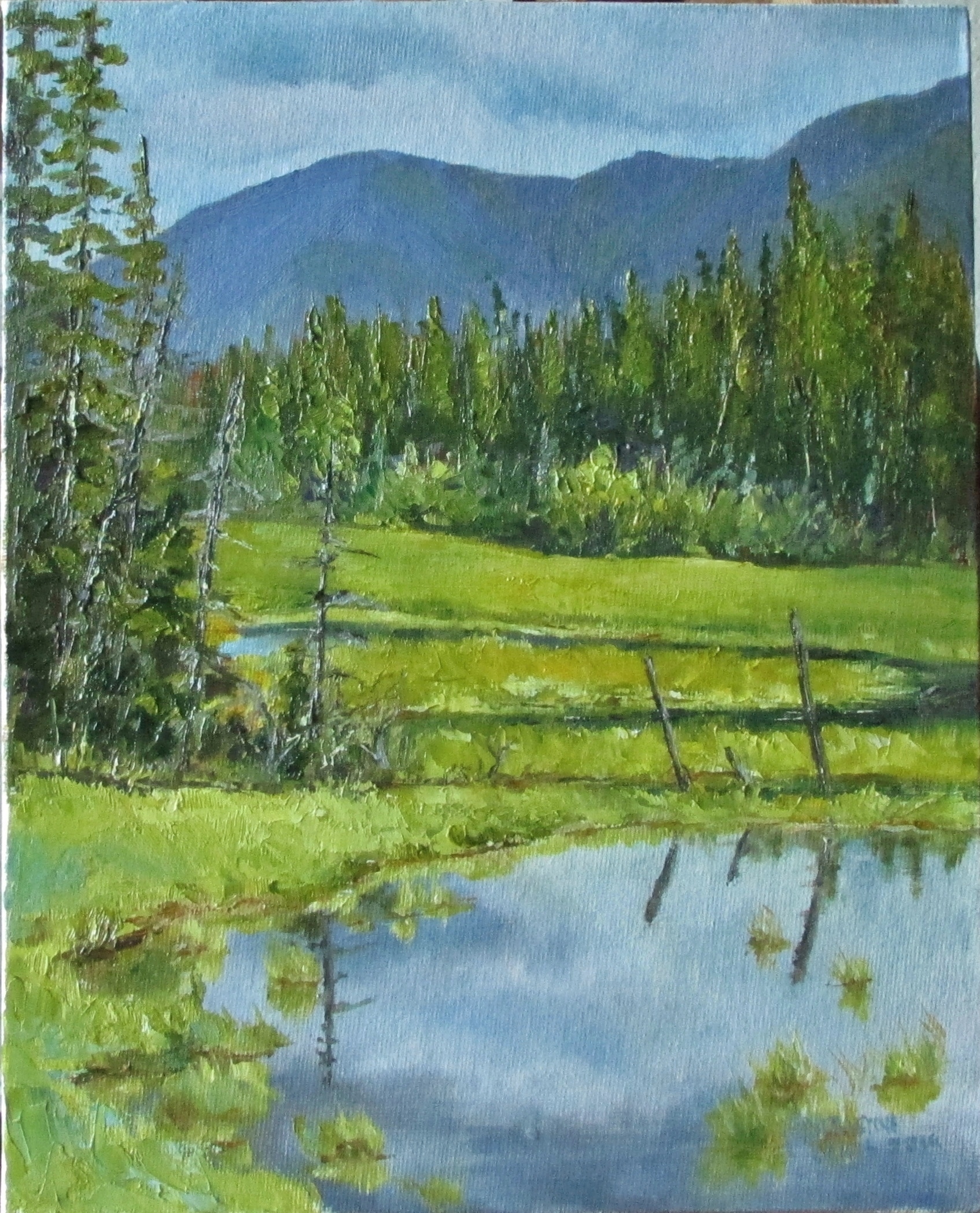
Narly Tree (1) (640x638).jpgThis type of old tree has to be my favorite type of subject to paint. It just has so much character and probably a very interesting history of all it has endured.
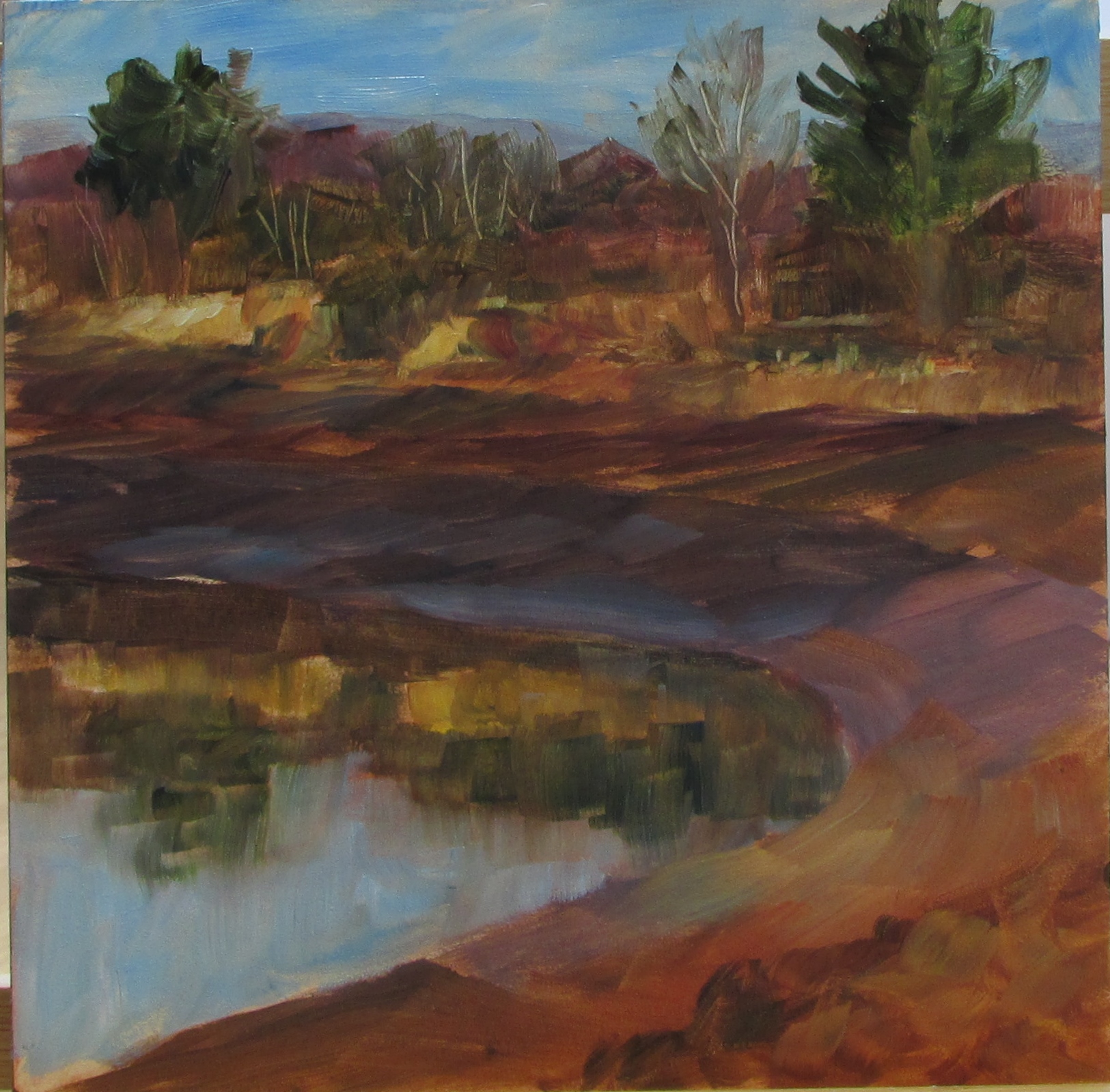
This painting was done on 8×8 Gesso board which I like very much. It seems to force me to paint in a looser style, which I also like.

Frosty Mendenhall Evening

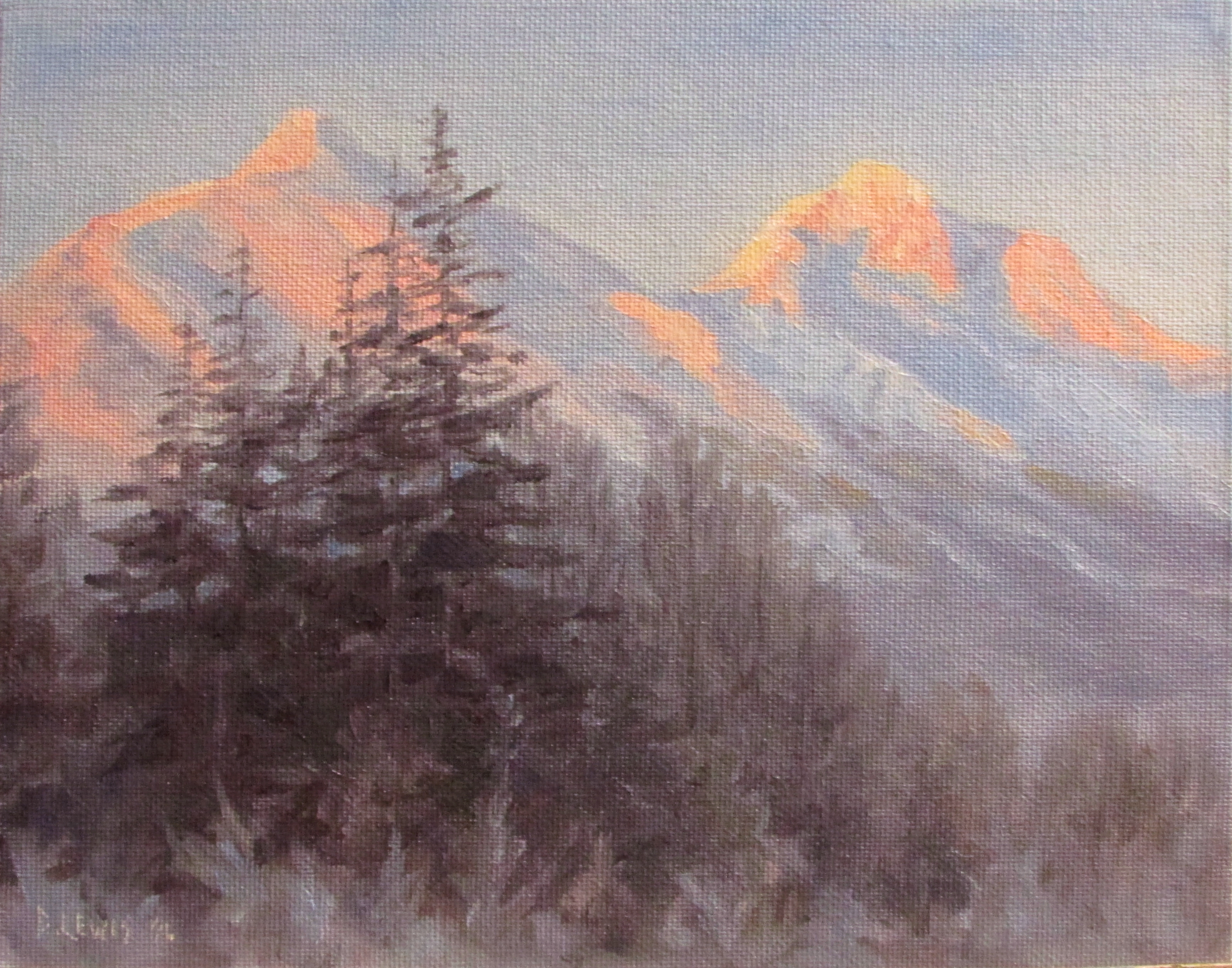
Frosty Mendenhall MorningThis is the view from my dining room windows. It is not always visible because of all the low clouds and rain that we get, but when it is, it is spectacular! During winter the low sun creates the most beautiful lighting effects on everything. On this evening the frost was really thick on everything. It tends to build up because the sun doesn’t get high enough to melt it off things. So the hoarfrost almost seems to grow. This made everything seem so cool and gray and soft compared to the bright warm glow on the mountain peaks. I cannot seem to get a photo of this painting that really shows the coloring well, but this isn’t too bad.  As with a few of my paintings now, I have painted this a couple times (or pretty close to this) and it gets a little better each time.

Creek Shadows

IMG_0802    This 10×8 oil painting was done of a photo taken while hiking here in Juneau. I really wanted to paint this as a challenge to myself. I loved the dappled sunshine on the shallow water leading into the picture. I think it turned out ok. I really tried not to overwork it. I may go back in and lighten up a few spots in the background, but over all I’m please with the results.

Early Morning Glacier View

IMG_9585 (800x565)

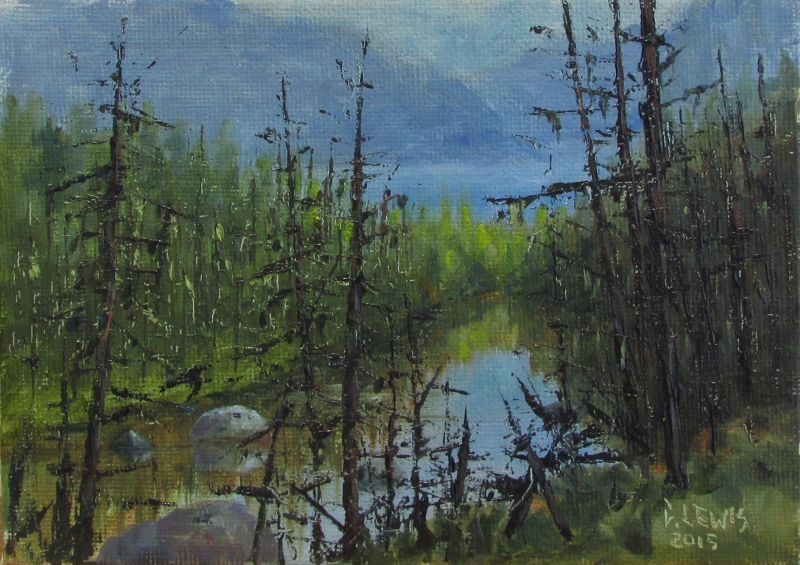
This is a little painting of one of my favorite views. It is looking toward Mendenhall Glacier where my husband and I walk all the time. On this particular morning, the silhouetted trees stood out to me. And I just love the cool colors of the green and blue background. I also like that there is a little bit of balance to all the cool colors with the warm reflection tones (of almost orange) coming in from the lower left corner of the picture towards the center.

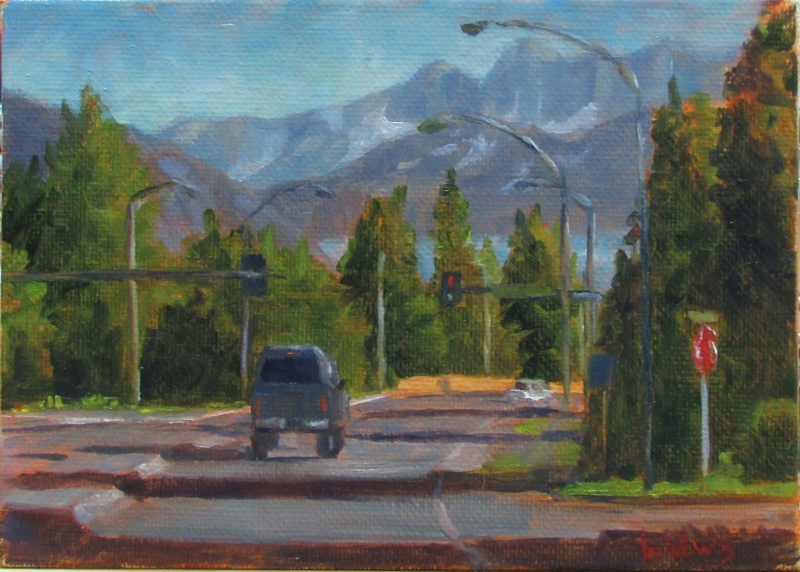
Mendenhall Loop Road

Loop Road Juneau, AK (800x572)I really enjoy small town scenes like this. I have never felt adept at painting them but this shot made me want to give it a try. The view of Mendenhall Glacier on our road is spectacular. On this particular day, my husband was driving and it allowed me to get a good shot. I think it is always appealing for local people to see a familiar scene. I like how this one worked out.

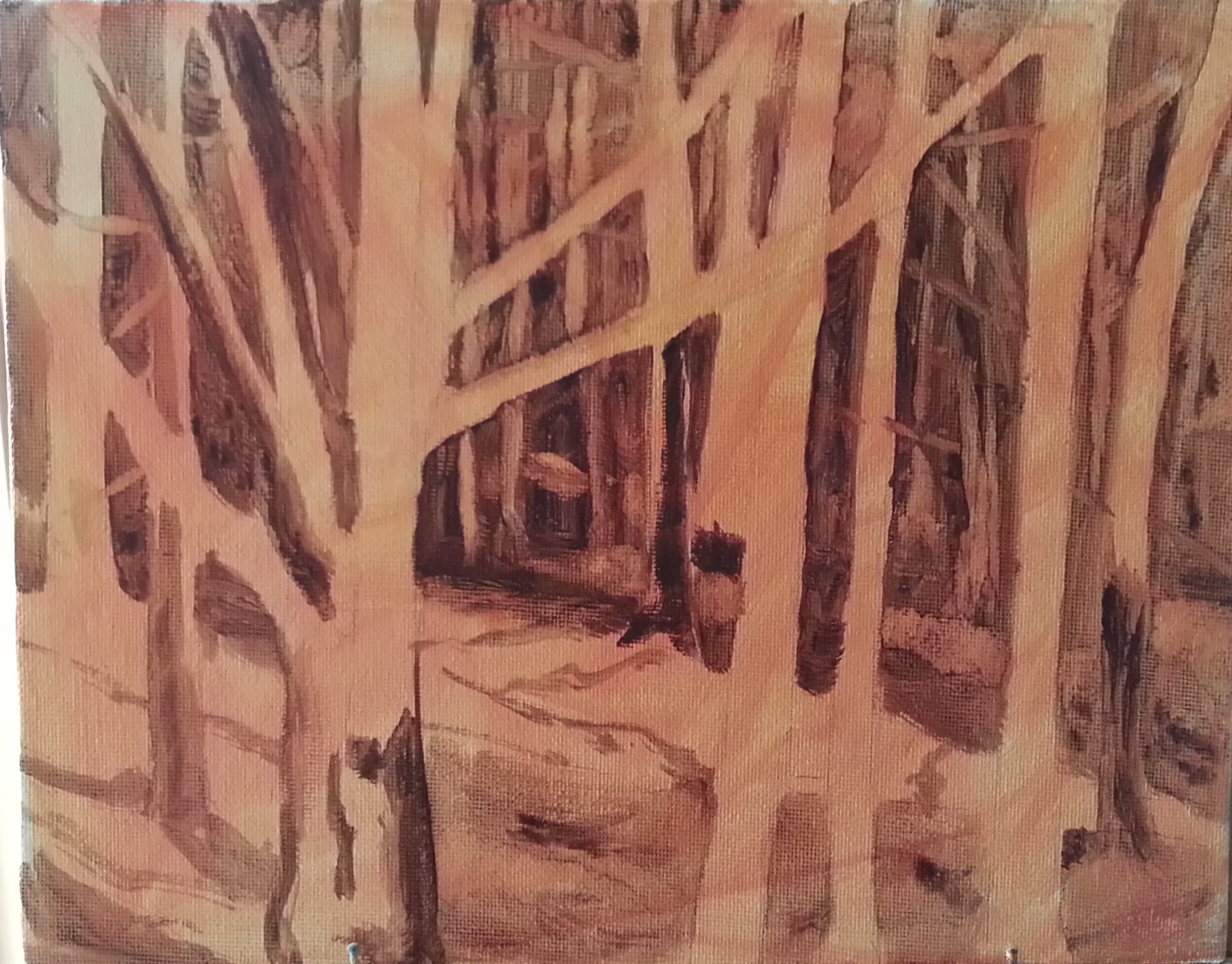
One More Underpainting

Into the woods (3)IMG_7703

This will be my final example for now of how useful a more detailed Underpainting can be. This is another wooded scene where my trees could easily have all gotten lost or run together as I went along. By having my Underpainting sort of map out my values, it was much easier to keep track of where my trees were separated. This also was helpful for me to see whrere it was important to perhaps place a darker tree next to a lighter one in order to distinguish it or make it more focal. It really is nice to be able to play around with your composition and value at this point before you have invested too much time. For me, it is invaluable when the painting has much detail.

Detailed Underpainting

Maine woods (3)Maine Woods


This is an example of a two tone Underpainting where it was extremely necessary. I felt like there would be no way for me to keep track of my distant trees without a basic guide layer down first. This gave me a clear idea of my values before I started and also acted like a map for me to keep from having my trees get lost in the forest (so to speak).  You can see that an Underpainting can be quite vague or extremely detailed. It is very interesting to play around with.

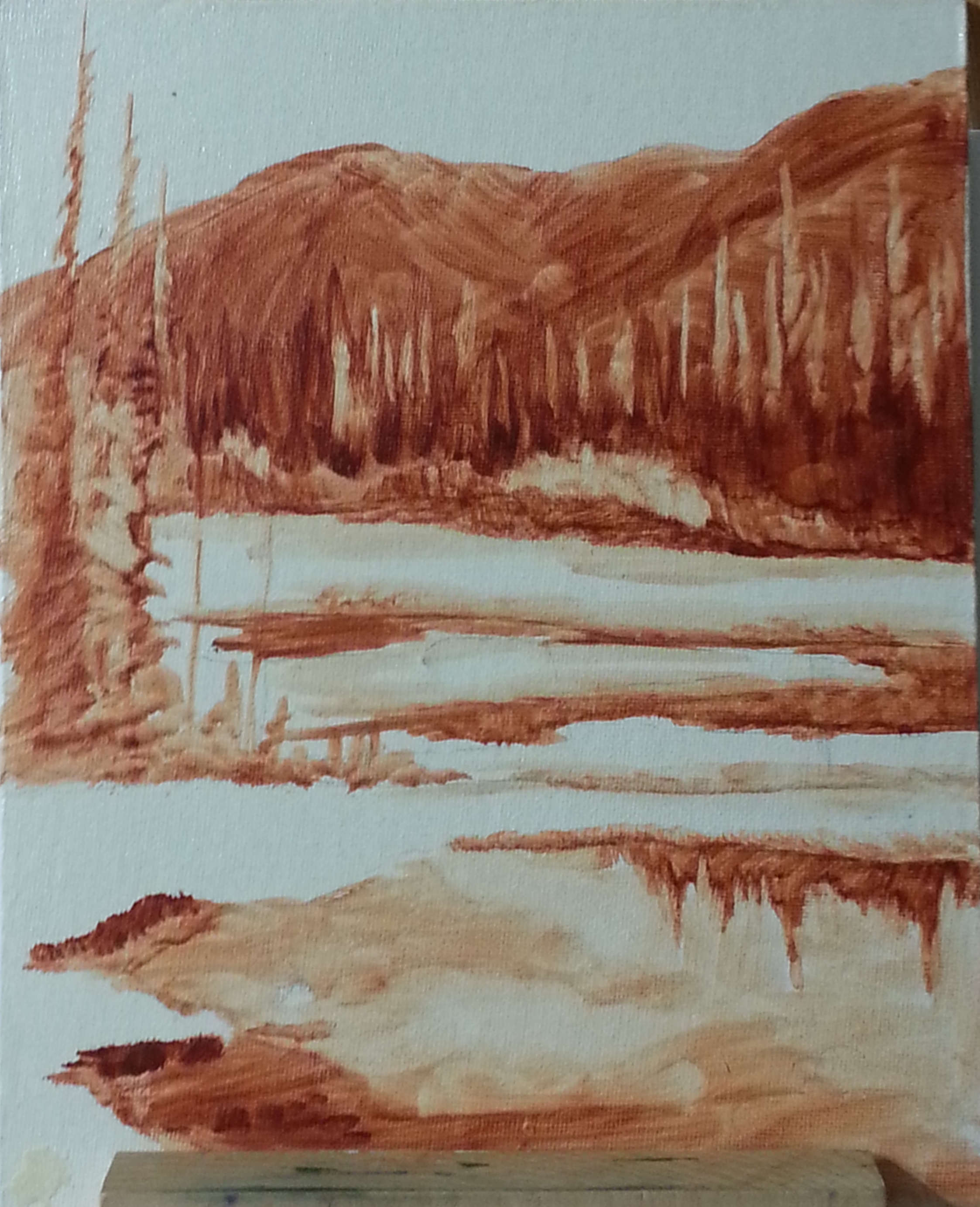
Back to Basics

z left overs (60)I am actually quite taken with this little painting. There is something very pleasing about its simplicity. To try a painting using just one color is a great process for beginners. I even think that this practice is helpful for more advanced painters. This is useful In many ways… like helping one to recognize the values in the painting. After doing this you could more easily adjust your values to emphasize different areas of interest or intensity. This can also help one to see the unnecessary details of their subject. This is also good practice for how one might do an underpainting of their subject. Many artists will do a complete, thinned down, two tone painting like this before they add their color. That way they can concentrate on adding color without thinking about the value as well. This is often helpful when the subject matter has a lot of detail. But this is not a necessity, just a matter of preference. I have done some of these underpaintings and found them very helpful. But there are many times that I just want to be more spontaneous.

(as a side note, this post should have come before the last one) I would be interested to hear about anyone else’s experience with this process as well.

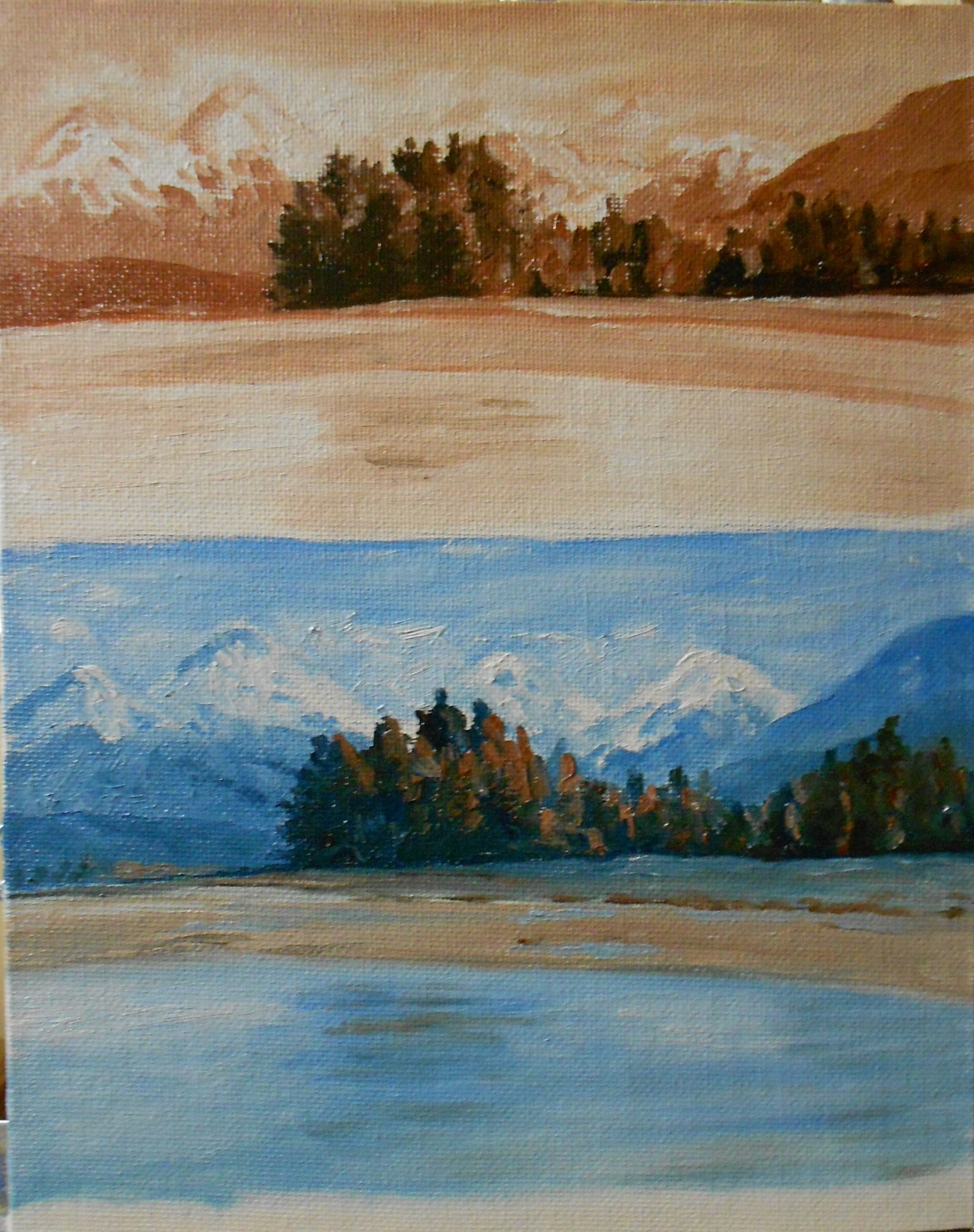
Underpainting Example

Along the Alcan (1)Alcan Hwy

This is one example of how I used the underpainting process. The detail in this particular picture probably didn’t warrant the need but I was still experimenting with it at this point. But you can clearly see how helpful it is to see the value in a two toned painting. And I must say again, that at this stage, it is really easy to adjust something that may look a bit off. This layer of paint should be very loose and thinned down with turp or mineral spirits.     You don’t need to add white to your burnt sienna, you just thin it down a bit more. It is also very easy to wipe something off and redo it. If nothing else, I find this quite fun to play around with because you can move the paint so easily.

Gesso Board Trial Piece

First Pic on GessoThis is a 6×6 painting, and it is the first painting that I have done on Gesso board. I have been wanting to try this since my first post. I read in Carol Marine’s book that she uses it and likes it. There are several artists whose paintings have a smooth flowing brush stroke style and I have been unable to get that in my paintings. It seems like they must either use gesso board or a smoother canvas than I do. To save on cost, I have given into using an inexpensive canvas board most of the time for these small practice pieces. But it does not help to practice what doesn’t work for you. I need to begin either using Gesso board or prepping my canvas in a different way to create a smoother finish. I have recently found another brand of canvas board that is not too expensive and does have a wonderful smooth coating. (the brand is Art Advantage) I cannot get it here in Juneau, and shipping is always expensive to Alaska so I have not used it on a regular basis. But I am beginning to think I should. I will have to get a bunch when I travel back to Maine next month.

Anyway, I did enjoy the Gesso board. It is a little tricky to learn a lighter touch with the brush so you don’t pull paint off with a second stroke, but I especially like that the brush strokes remain visible. This is merely a preference, and many people do not like this look. I do look forward to playing around with it more.